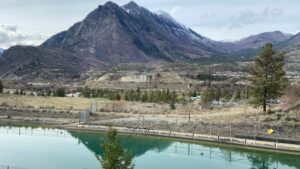
Canal Walk
On this level roadway along the south side of the BC Hydro canal which connects Seton Lake with the powerhouse on the Fraser, you walk in the shadow of the majestic towering cliffs at the base Mt. Brew. Watch for waterfowl on the canal.

On this level roadway along the south side of the BC Hydro canal which connects Seton Lake with the powerhouse on the Fraser, you walk in the shadow of the majestic towering cliffs at the base Mt. Brew. Watch for waterfowl on the canal.
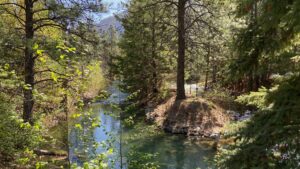
A short, easy walk along fast-moving Seton River offers the chance to see mountain goats on the cliffs above and other wildlife. Trails follow spawning channels full of salmon in season. Interpretive signage reveals local ecology and First Nations history.
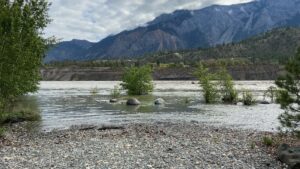
A chance to get up close to the mighty Fraser River. Enjoy a walk through an active ecological restoration site that showcases our beautiful grasslands and Black Cottonwood ecosystem at the confluence of the Seton and Fraser Rivers.
Written by Jane Carrico
“There was a time in this fair land when the railroads did not run. When the wild majestic mountains stood alone against the sun.”
Gordon Lightfoot, Canadian Railroad Trilogy
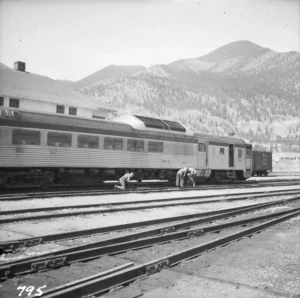
Construction of the historic Pacific Great Eastern Railway was an epic undertaking vital to the development of 20th Century British Columbia. Promises it would transport endless stands of timber north of Squamish to Howe Sound, open up vast Cariboo ranchlands and join the cross Canada railway system in Prince George fueled a landslide victory in the provincial election of 1912.
Private investors planned the PGE would cross the Fraser River at Lillooet and began construction in two sections – a commuter line serving North & West Vancouver and from the steamship docks at Squamish northward to Clinton. By 1915, the tracks reached Lillooet but bypassed the town by crossing the Fraser on a wooden trestle south of the Seton River.
The wild, remote and rugged Coast Range terrain proved to be “no child’s play” to cross and very expensive. Despite fiscal management that could “squeeze a nickel ’til the beaver screamed” and a $10 million loan from the BC government in 1916, the investors defaulted. By 1918, the government owned the PGE. They pushed the rail bed north to Quesnel by 1921 but the dream to reach Prince George became sidetracked.