Naxwit Park

  •   Parking: N50° 40’ 25.1’’ W121° 58’ 11.9’’
    Park in beautiful, paved wayside park.
  •   Distance: 0.35 km (0.2 miles)
  •   Time: 10 minutes
  •   Difficulty: Easy

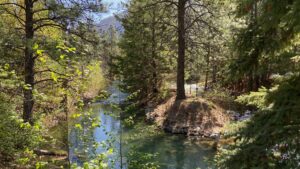
A short, easy walk along fast-moving Seton River offers the chance to see mountain goats on the cliffs above and other wildlife. Trails follow spawning channels full of salmon in season. Interpretive signage reveals local ecology and First Nations history.

Continue ReadingNaxwit Park

Xwísten Experience Tours

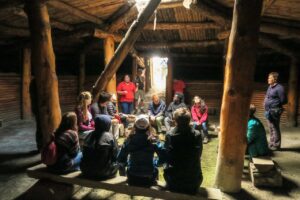
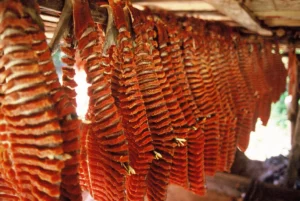
Discover one of British Columbia’s most immersive Indigenous cultural experiences. Xwísten Experience Tours offers guided pit house (S7ístken) tours, salmon drying demonstrations, and storytelling rooted in thousands of years of St’át’imc culture and land-based knowledge. Visitors learn directly from community members about traditional food harvesting, sustainable practices, and the living heritage of the Xwísten people.

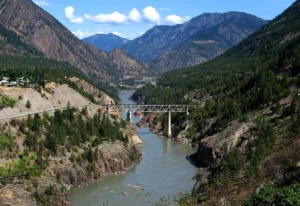
Traditional Fishing Rock & Archaeological Village Tours and The Bearfoot Grill. Visit the Bridge River Fishing Grounds, the past and current fishing area of the St’át’imc People. Learn about the traditional wind-dried method of preserving the salmon still used by its people today.

Learn more at XwistenTours.ca

Continue ReadingXwísten Experience Tours

Ntqwixw

Written by Jane Carrico

“For every family in the country – that’s all they use…the salmon…financially, there’s no price you can put on it for you and your family”

Elder Edward Napoleon

“The St’át’imc way of life is inseparably connected to the land. Our people use different locations throughout the territory of rivers, mountains and lakes, planning our trips with the best times to hunt and fish, harvest food and gather medicines. The lessons of living on the land are a large part of the inheritance passed on from St’át’imc elders to our children. As holders of one of the richest fisheries along the Fraser River, the St’át’imc defend and control a rich resource that feeds our people throughout the winter and serves as a valued staple for trade with our neighbouring Nations. The St’át’imc can think of no better place to live.”

Nxekmenlhkálha lti tmícwa, St’át’imc Land Use Plan

“Fishing brings you back in contact with who you are… get back in touch with your identify… your roots… where you come from”

Elder Rose Whitley, 1990
Continue ReadingNtqwixw

The Fraser River

Written by Jane Carrico

“In this lash and spill of water, in the slow grinding of rock and cliff, in the perpetual slide of mountain and forest, in the erosion of mountain and gumbo rangeland, in the impact of whirlpool and winter ice, the river is forever mad, ravenous and lonely.”

Bruce Hutchinson, The Fraser

In 1670, the British Crown granted Hudson’s Bay Company control over fur trade in the Canadian Shield. To sidestep this monopoly, independent traders in Montreal founded the North West Company a century later. Their mission: to seek fresh territory westward and find a navigable river route from the Rocky Mountains to the Pacific Ocean.

In 1805, Nor’wester Simon Fraser & his crew crossed the Rockies and built four NWC trading posts as far south as Fort George at the confluence of the Nechako River & Tacoutche Tesse – The Mighty One – a river they thought was the Columbia. In the spring of 1808, Fraser set out from here in four canoes with two Scots clerks, two Dakelh First Nation native guides and nineteen French Canadian voyageurs to follow it to its mouth.

The first day was harrowing and difficulties navigating the river only increased. When warned by their guides that the impassable Bridge River Rapids were ahead, they left their canoes at Leon Creek and portaged “on a regular path” through country Fraser called “the most savage that can be imagined” but the Dakelh guides would not enter St’át’imc territory.

The expedition was soon met by seven St’át’imc warriors “in readiness for attack” but they were able to negotiate for provisions including “excellent dried salmon” and wild onion syrup.

Continue ReadingThe Fraser River